Senate targets KEMSA in plan to turn devolved institutions into executive agencies
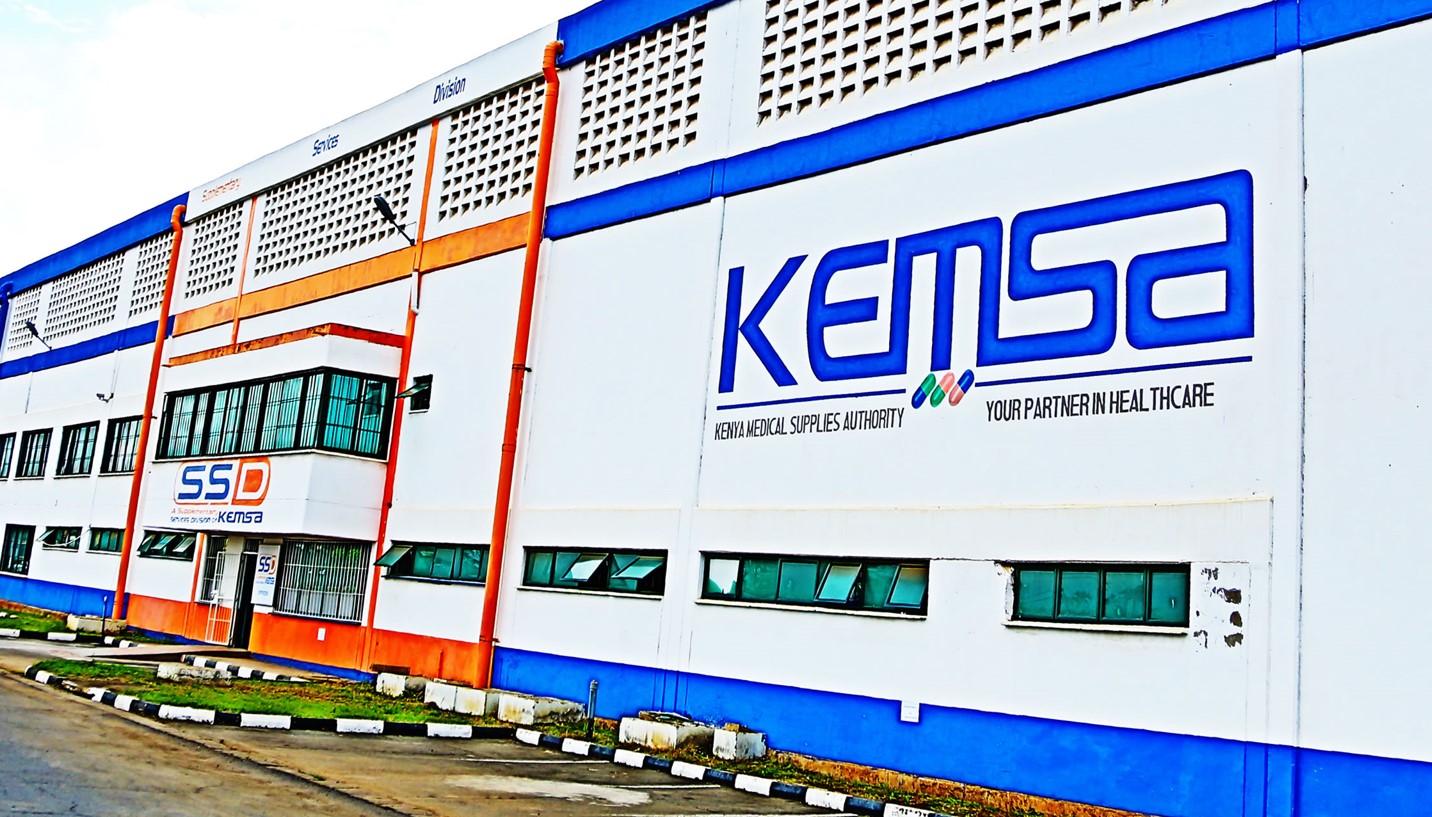
A Senate committee has proposed restructuring KEMSA and other state corporations into executive agencies to clarify national-county roles, curb funding disputes and streamline devolved services across key sectors.
Persistent conflicts over mandates and funding between counties and national bodies have prompted a Senate committee to recommend restructuring some state institutions into executive agencies to streamline devolved services.
The committee says the move, targeting entities such as the Kenya Medical Supplies Authority (KEMSA), aims to create a hybrid governance model that allows national oversight while ensuring counties retain control over service delivery.
More To Read
- Senate convenes special sitting to hear Governor Nyaribo’s impeachment charges
- Kenya’s maternal mortality ‘a crisis that cannot be ignored’, MP Nyikal warns
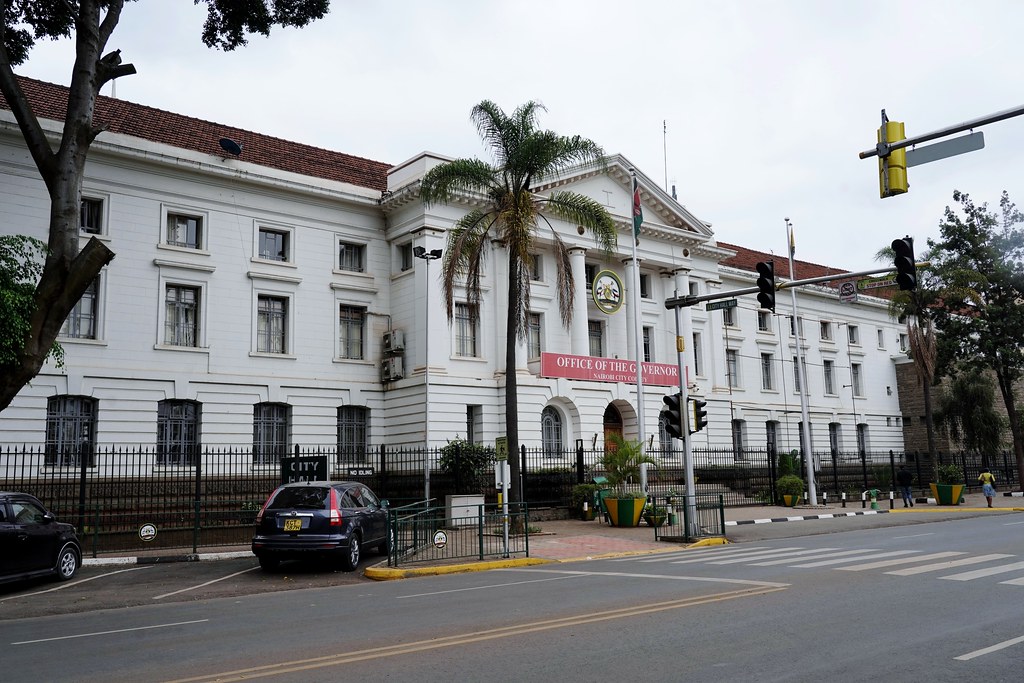
- Why City Hall moved hospital accounts to Sidian Bank- Sakaja
- Senate summons Isiolo, Kericho governors for skipping audit hearings
- Governance Committee orders mandatory audit attendance for university heads
- Governors sound alarm as 934 newborns die amid funding row in health sector
The proposal follows concerns over the rising number of state corporations carrying out devolved functions, a trend the Senate argues requires stronger national coordination.
A brief prepared by the Standing Committee on Devolution and Intergovernmental Relations, chaired by Wajir Senator Mohamed Abass, signals a shift in how the State intends to manage organisations operating between national and county mandates more than a decade into devolution.
After a meeting with KEMSA, senators recommended that several state corporations involved in devolved sectors undergo restructuring. Under the proposed model, these entities would be reclassified as executive agencies mandated to offer targeted public services on behalf of the national government while working in close partnership with counties.
"There may be a need to review KEMSA's legal framework to reposition it as a joint national-county corporation, with balanced governance and financing aligned to devolved responsibilities," the committee said in the brief.
If adopted, the reforms would see government-owned bodies in areas such as water, roads and energy formally shifted into the executive agency category instead of being dissolved or fully transferred to county governments. This would allow them to retain their operational roles but under a governance structure that recognises the devolved system.
The recommendation seeks to address persistent concerns over overlapping mandates, duplication of responsibilities and recurrent financial disputes between national institutions and county administrations.
“Agencies like KEMSA supply products and services to counties, but operate under national direction, despite counties being responsible for local delivery,” Senator Abass said in the document.
The committee warned that the current arrangement has led to inefficiencies, jurisdictional clashes and misaligned resources.
The reform proposal comes in the wake of a December 2024 resolution by the National and County Governments Coordinating Summit directing that all outstanding devolved functions be transferred by mid-2025, with financing to follow. However, the committee argues that a full transfer may not be feasible for certain entities due to economies of scale, specialised expertise or national strategic considerations.
Recasting such organisations as executive agencies would formalise a blended model that preserves national oversight while respecting county autonomy. The committee further recommended that some agencies adopt joint venture structures between the two levels of government, with shared board representation to enhance accountability and reflect the status of counties as the primary service delivery units.
KEMSA, which appeared before the Senate committee to defend its role, insisted it performs a national mandate focused on procurement, quality assurance and maintaining national stock reserves rather than devolved service delivery.
The authority also revealed that it is owed more than Sh4.5 billion by counties and county health facilities, a debt it said affects its order fulfilment rate. KEMSA appealed for Senate intervention to facilitate the clearance of the arrears.
The committee noted that this financial interdependence illustrates a wider governance challenge, pointing out that national resources are indirectly subsidising devolved functions instead of funds flowing directly to counties, as provided under Article 202 of the Constitution.
With the committee's recommendation now on record, the Senate is expected to press KEMSA on how it intends to balance national and county interests and whether it supports legislative changes that would transform it into an executive agency jointly governed by both levels of government.
The proposed restructuring forms part of ongoing efforts to rationalise state corporations and complete the long-delayed transition to full devolution, which continues to influence public spending and the quality of services delivered across the country.
Top Stories Today